01The ground was never abandoned
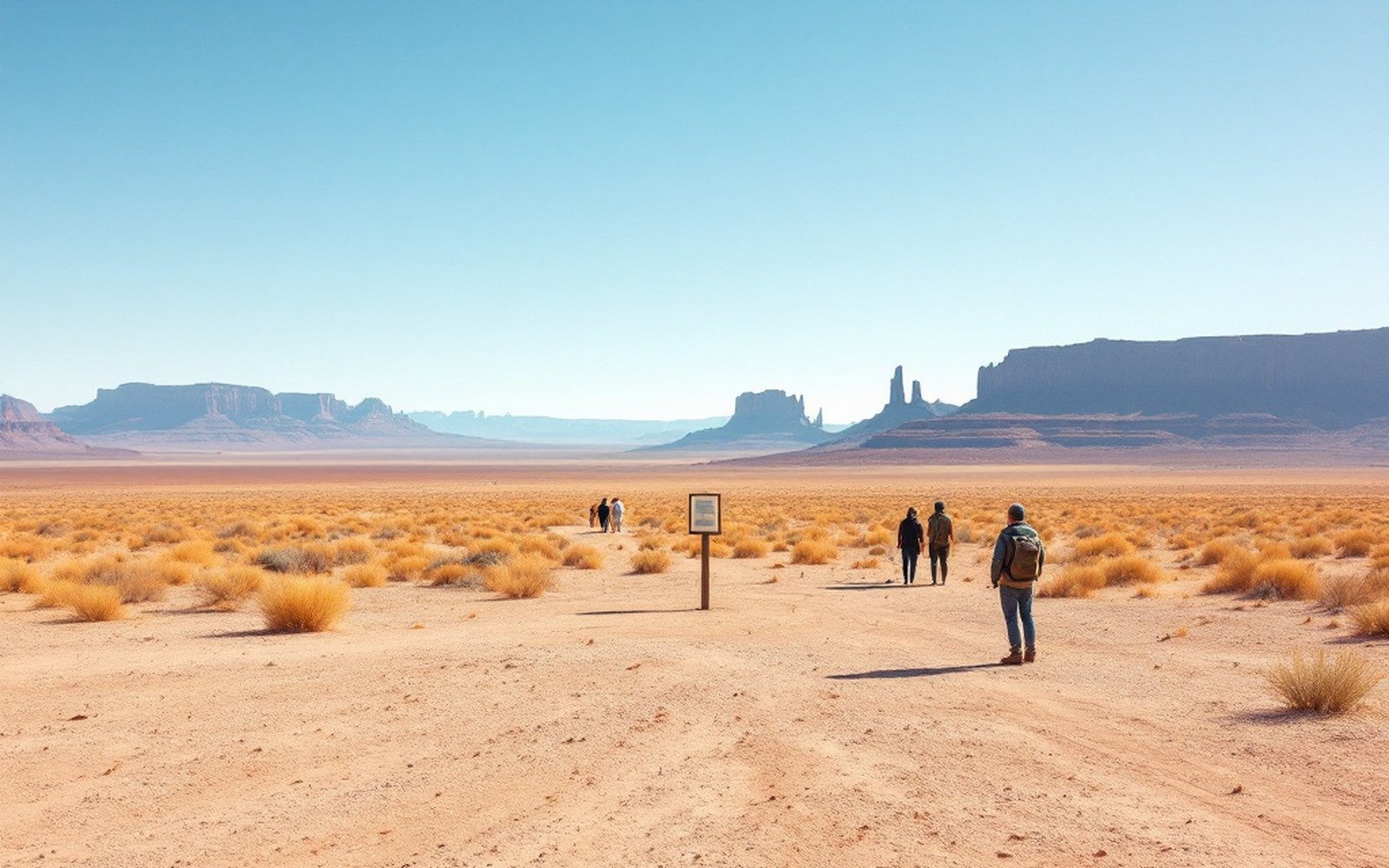
Petroglyph National Monument protects one of the largest concentrations of rock images in North America — roughly 24,000 petroglyphs pecked into the dark basalt boulders along the West Mesa escarpment west of Albuquerque (35.1°N, 106.7°W). But the monument's formal establishment in 1990 did not create a relationship between these images and the people who made them. That relationship already existed. The Pueblo communities of the Rio Grande have maintained continuous connection to this landscape, and the images remain active cultural and spiritual presences for them — not archaeological artifacts awaiting interpretation, but things that belong to a living tradition.
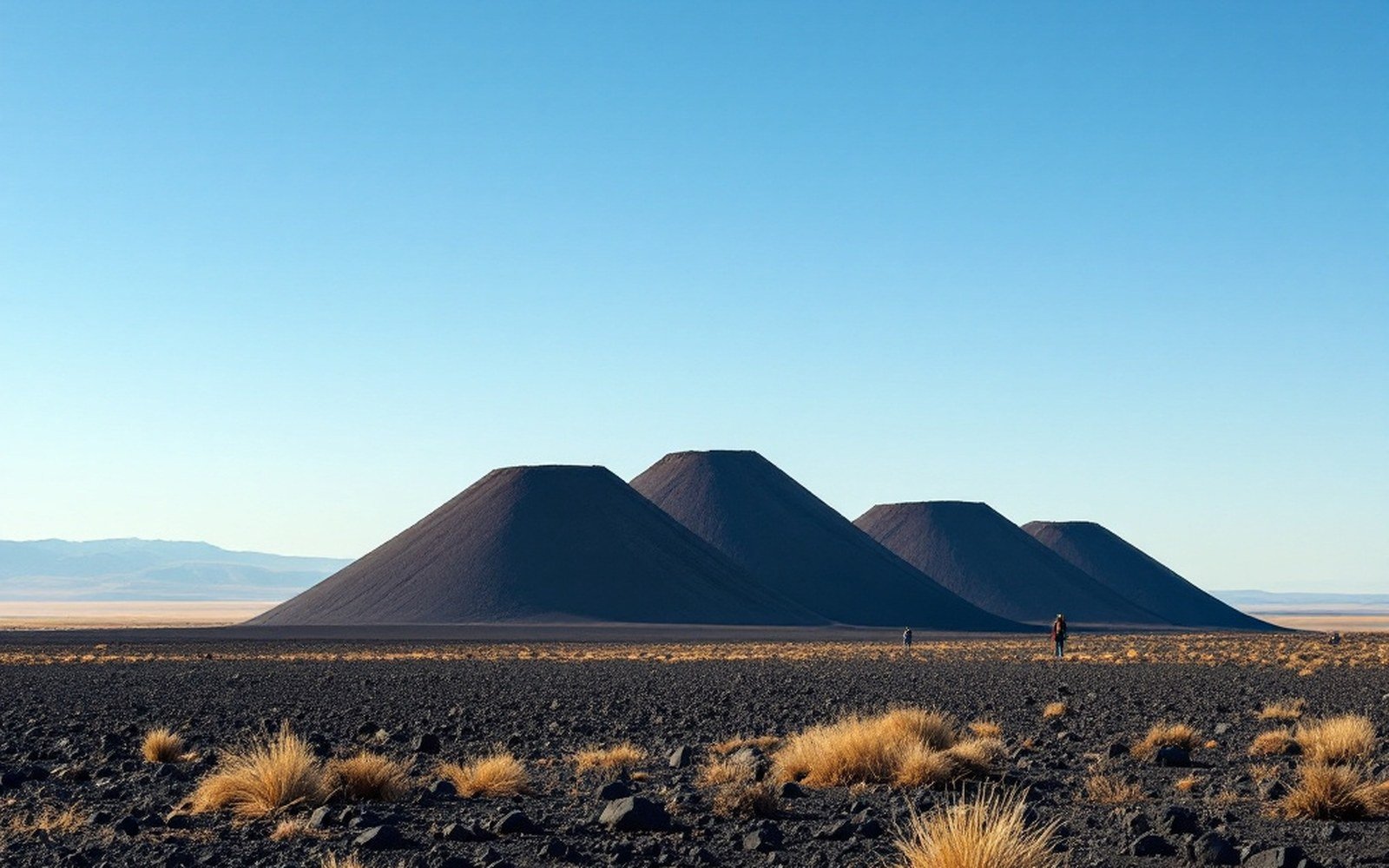
The basalt itself is roughly 150,000 to 200,000 years old, erupted from the line of small vents on the West Mesa aligned along rift fissures. The images were pecked into the dark outer surface of those boulders — the desert varnish, a manganese- and iron-rich coating that builds up over centuries in arid environments — at various periods, the majority between roughly 1300 and 1680 CE, with some pre-dating that and others made after Spanish contact. The contrast between the pale, freshly exposed rock and the dark varnish creates the image. Once made, it lasts as long as the boulder does.
02Shared management, real authority
The National Park Service administers Petroglyph National Monument jointly with the City of Albuquerque, which manages the recreational areas at the monument's northern end. But that administrative structure does not fully describe who holds authority here. The monument's legislation and its subsequent management planning formally recognise Pueblo nations — including Acoma, Cochiti, Isleta, Jemez, Laguna, Nambe, Pojoaque, San Felipe, San Ildefonso, Santa Ana, Santa Clara, Santo Domingo (Kewa), Tesuque, Zia, and Zuni — as consulting parties with a direct stake in decisions about the land and the images on it.
That consultation is not advisory in the colloquial sense. Under the National Historic Preservation Act and the Native American Graves Protection and Repatriation Act, federal agencies are required to consult with tribes and pueblos before any undertaking that might affect cultural resources. At Petroglyph, this applies to trail placement, maintenance work on or near boulders, research proposals, and interpretive materials. Pueblo representatives have objected to specific development proposals at the monument — road expansions, infrastructure projects — and those objections have shaped outcomes, including the long debate over a road through the Petroglyph area, where multiple Pueblo nations sustained their opposition.
The images themselves are described in monument materials as what they are: images made by the ancestors of today's Pueblo people. Interpretation stops there, deliberately. The specific cultural or ceremonial significance of individual images is not the monument's to explain, and the National Park Service does not attempt to do so. This restraint is itself a management position, taken at the urging of Pueblo communities who made clear that public speculation about sacred imagery causes harm.
03Landscape, not exhibit
What this means in practice is that the monument is managed less like a display of ancient art and more like a living cultural landscape — which is what it is. The National Park Service's approach at Petroglyph reflects a broader shift in federal land management away from treating Indigenous cultural sites as patrimony held in trust on behalf of a past and toward treating them as places held in common with communities that are present and active.
At Petroglyph, this applies to trail placement, maintenance work on or near boulders, research proposals, and interpretive materials.
The Bureau of Land Management, which manages land in the surrounding region, and the New Mexico Bureau of Geology and Mineral Resources, which conducts geological survey work across the basin, both operate within the same framework when their work touches culturally sensitive ground. Coordination with tribal historic preservation offices is now standard practice, though its quality varies across projects.
For anyone standing at the escarpment looking at a pecked image in the basalt, the relevant fact is this: the person who made it had descendants, and those descendants are here. The ground is not vacant. The management structure at Petroglyph National Monument is an attempt — imperfect, evolving, contested at the margins — to reflect that plainly in how decisions are made and who makes them.